Jonas Group
Cellular Neuroscience
Synapses enable communication between neurons in the brain. The Jonas group investigates how signals pass through these vital interfaces – a major undertaking in the field of neuroscience.
Understanding the function of the brain is a major challenge in the 21st century. The human brain comprises ~100 billion neurons, which communicate through ~10000 synapses per cell. Excitatory synapses use glutamate as a transmitter, whereas inhibitory synapses release Gamma-Aminobutyric acid (GABA). The group addresses two major questions. First, what are the biophysical signaling and plasticity mechanisms at glutamatergic and GABAergic synapses in the cortex? Second, how do specific synaptic properties generate higher network functions? In their work, the group combines nanophysiology, presynaptic patch-clamp and multi-cell recording, two-photon Ca2+ imaging, optogenetics, functional anatomy (“flash and freeze” electron microscopy), in vivo recording, and modeling. One focus is hippocampal mossy fiber synapses and output synapses of parvalbumin-expressing GABAergic interneurons.
Group Leader

Administrative Support

Eleftheria Kralli Beller
Assistant to Professors
+43 2243 9000 3700
Team

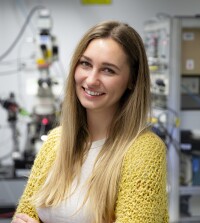
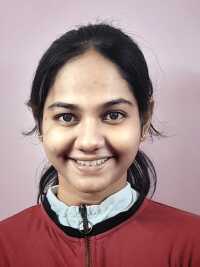
Eleftheria Kralli Beller
Assistant to Professors
+43 2243 9000 3700

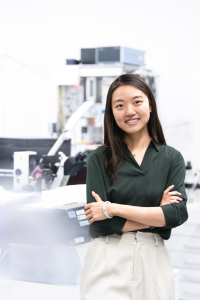
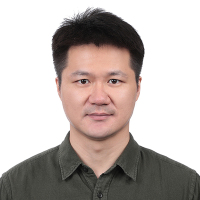




Current Projects
Biophysical mechanisms of synaptic plasticity at hippocampal mossy fiber synapses | Structural changes underlying transmission and plasticity at central synapses | Analysis of neuronal coding in vivo and in realistic network models | Engram formation in hippocampal CA3 recurrent networks
Recent Publications
Vargas Barroso VM, Watson J, Navas Olivé AC, Schlögl A, Jonas PM. 2026. Developmental emergence of sparse and structured synaptic connectivity in the hippocampal CA3 memory circuit. Nature Communications. 17, 5540. View
Bhattacharya S, Jonas PM. 2026. Mission impossible? Quantitative analysis of dendritic computations in vivo. Neuron. 114(10), 1706–1708. View
Watson J, Vargas Barroso VM, Jonas PM. 2025. Cell-specific wiring routes information flow through hippocampal CA3. Cell Reports. 44(8), 116080. View
Watson J, Vargas Barroso VM, Morse R, Navas Olivé AC, Tavakoli M, Danzl JG, Tomschik M, Rössler K, Jonas PM. 2025. Human hippocampal CA3 uses specific functional connectivity rules for efficient associative memory. Cell. 188(2), 501–514.e18. View
Kim O, Okamoto Y, Kaufmann W, Brose N, Shigemoto R, Jonas PM. 2024. Presynaptic cAMP-PKA-mediated potentiation induces reconfiguration of synaptic vesicle pools and channel-vesicle coupling at hippocampal mossy fiber boutons. PLoS Biology. 22(11), e3002879. View
ReX-Link: Peter Jonas
Career
Since 2022 Magdalena Walz Professor for Life Sciences, Institute of Science and Technology Austria (ISTA)
Since 2010 Professor, Institute of Science and Technology Austria (ISTA)
1995 – 2010 Professor of Physiology and Department Head, University of Freiburg, Germany
1994 – 1995 Associate Professor, Technical University of Munich, Germany
1990 – 1994 Senior Postdoc, Max Planck Institute for Medical Research, Heidelberg, Germany
1988 – 1989 Postdoc, University of Giessen, Germany
1987 MD, University of Giessen, Germany
Selected Distinctions
2022 Magdalena Walz Professor for Life Sciences
2021 Peter Seeburg Integrative Neuroscience Prize of the Society of Neuroscience (100,000 $)
2019 Member, EMBO
2018 Erwin Schrödinger Prize, Austrian Academy of Sciences (ÖAW)
2016 FWF Wittgenstein Award
2016 ERC Advanced Grant GIANTSYN
2016 Elected Member Editorial Board, Neuron
2015 Member, Academia Europaea
2011 ERC Advanced Grant NANOPHYS
2009 Adolf Fick Award, Physical-Medical Society, Würzburg, Germany
2008 Member, Academy of Sciences, Heidelberg, Germany
2007 Member of the Board of Reviewing Editors, Science
2007 Tsungming Tu Award, National Science Council Taiwan
2006 DFG Gottfried Wilhelm Leibniz Award
2002 Member, German Academy of Sciences Leopoldina
1998 Max Planck Research Award
1997 Medinfar European Prize in Physiology, President of Portugal
1994 BMBF Heinz Maier Leibnitz Award
1992 DFG Heisenberg Fellowship